Renting a dumpster includes more than simply choosing a dimension and supplier; it calls for careful preparation and consideration of job specifics, local regulations, and logistics. Beginning by accurately estimating waste volume and checking local regulations and permits Select a reputable rental company that fulfills your job needs, and plan for distribution and placement. Recognize what can be thrown away and take care of loading efficiently. Schedule pickup and removal, and prepare the website for a seamless experience. By adhering to these actions, you'll guarantee a cost-effective and hassle-free dumpster rental experience. As you proceed, you'll discover more valuable insights to make your task a success.
Determine Task Waste Volume
Because a dumpster's capacity is an essential consider figuring out the total cost and effectiveness of a job, properly estimating the quantity of waste generated is imperative.
Underestimating waste volume can lead to additional costs and logistical migraines, while overestimating can result in thrown away sources. To get an accurate quote, consider https://squareblogs.net/piedmont-triaddumpsters/7-steps-to-renting-a-dumpster-for-your-following-task the type and amount of materials being gotten rid of, along with any regulatory requirements or restrictions.
For instance, building and construction tasks typically generate a lot more waste than clean-out tasks, and specific materials like hazardous waste might call for special handling.
Create a breakdown of the materials you anticipate to get rid of, and consult with local waste administration professionals or online resources if needed.
Choose the Right Dumpster Size
With a clear understanding of the task's waste volume, choosing the ideal dumpster size becomes a vital following action. This guarantees you have enough area to take care of waste effectively, without overpaying for excess capacity.
Dumpster sizes typically vary from 10 to 40 cubic backyards, with each dimension food catering to certain task needs.
For small-scale projects, such as bathroom or kitchen area remodels, 10-20 cubic yard dumpsters are optimal. These small dumpsters suit limited areas and can manage moderate waste volumes.
Larger projects, like building and construction or demolition, need 30-40 cubic lawn dumpsters to fit bulkier waste materials.
It's important to assess the kind and weight of waste, as well as local regulations, when selecting a dumpster size.
Select a Reliable Rental Company
A respectable rental company is essential to a successful dumpster rental experience. It is very important to do your research and pick a firm that can offer you with the appropriate dumpster for your needs, deliver it promptly, and deal superb consumer service.
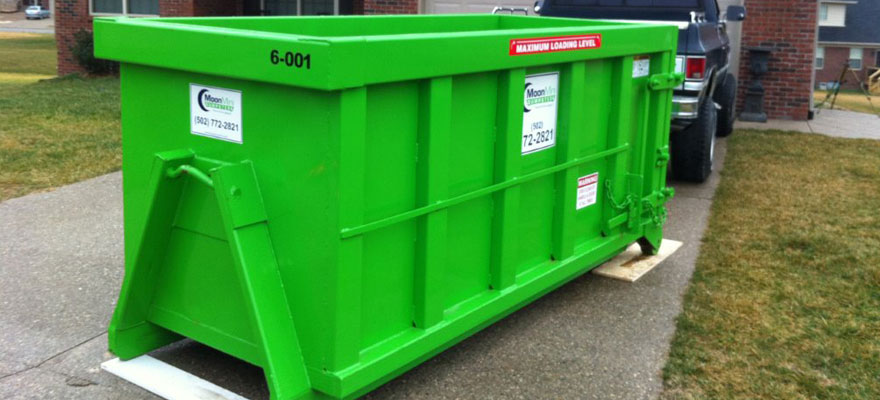
When selecting a rental company, think about the following key variables:
Experience and Reputation: Seek business with a tried and tested record of giving trustworthy and effective dumpster rental services. Inspect on the internet testimonials, ask for recommendations, and confirm their physical address and licenses.
Range of Dumpster Sizes and Types: Confirm the business provides a range of dumpster dimensions and types to deal with your details requirements. This might consist of roll-off dumpsters, compactors, or recycling containers.
Flexible Rental Periods and Pricing: Choose a firm that uses versatile leasing durations and competitive rates. Be sure to inquire about any type of added costs, such as distribution or disposal charges.
Check Neighborhood Laws and Permits
Once you've selected a reputable rental company, it's time to verify that your dumpster rental complies with local regulations and permits Familiarize on your own with local ordinances, zoning laws, and home owners' association guidelines to verify a smooth rental experience.
Check if you require a license to put the dumpster on your residential or commercial property, specifically if you reside in a residential area Some communities may call for a license for oversized or heavy containers, while others may have certain laws for dumpster placement.
Research the regulations in your area to determine if there are any kind of restrictions on dumpster size, type, or duration. Furthermore, figure out if there are any type of particular demands for waste disposal, such as separating recyclables or hazardous materials.
Your rental business might have the ability to supply support on neighborhood guidelines, yet it's essential to confirm the info to prevent possible fines or charges. By comprehending regional policies and getting essential licenses, you can avoid unneeded trouble and validate an effective dumpster rental experience.
Plan for Delivery and Placement
During the planning phase, it is essential to collaborate logistics with your rental firm to guarantee a seamless delivery and placement procedure. This ensures that the dumpster gets here on schedule and is positioned correctly on your property.
To guarantee a smooth delivery, think about the following:
Accessibility: Make sure the shipment path is clear of obstacles, such as low-hanging branches, power lines, or slim gates.
Space constraints: Gauge the area where the dumpster will certainly be placed to ensure it fits easily, leaving sufficient room for simple gain access to and maneuverability.
Weight distribution: Identify a level, secure surface that can sustain the weight of the dumpster, taking into account the weight of the particles it will hold.
Understand Dumpster Rental Periods
Most dumpster rental periods array from a few days to a number of weeks, depending upon the extent and complexity of the project. This flexibility allows you to customize the rental period to your details needs, guaranteeing you have the dumpster for as lengthy as essential without incurring unnecessary costs.
Typically, short-term rentals are excellent for small projects, such as clearing out a solitary room or completing a small renovation. Longer-term rentals, on the various other hand, are much better suited for larger projects, like construction or demolition work.
When identifying the rental period, take into consideration the rate of your task, the amount of debris you anticipate to produce, and your budget. Bear in mind that some rental business might offer flexible rental periods or extensions, so be sure to ask about these alternatives when booking your dumpster.
Know What Can Be Tossed Away
The complying with products can be disposed of in a dumpster:
Household trash: damaged home appliances, old furnishings, and general family waste
Construction debris: drywall, lumber, roof covering materials, and other structure materials
Yard waste: tree branches, leaves, turf cuttings, and various other organic materials
It's necessary to note that particular items, such as harmful materials, electronic devices, and batteries, are not allowed in dumpsters and require unique disposal.
Be sure to get in touch with your dumpster rental service provider for specific guidelines on what can and can not be thrown away.
Prepare the Site for Delivery
Every dumpster rental experience begins with an important action: preparing the site for delivery. This vital step ensures a smooth and convenient experience for both you and the dumpster rental company.
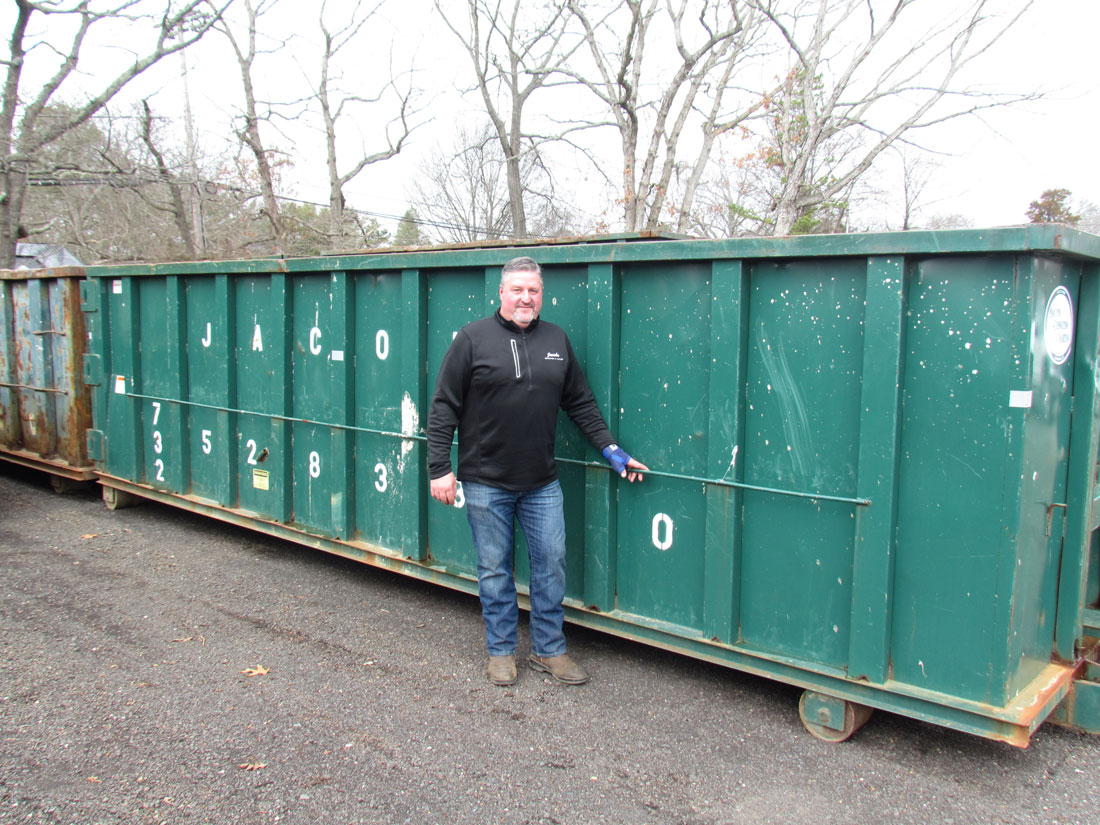
To prepare the site, start by removing the location where the dumpster will be put. Remove any obstacles, such as vehicles, furniture, or particles, to give a clear path for the delivery truck. Validate the surface is level and firm, as an uneven surface area can create the dumpster to tip over.
Next, think about the dumpster's dimensions and verify the website can accommodate its size. Action the width, length, and elevation of the dumpster and compare it to the offered space.
You ought to also look for any type of overhead obstructions, such as low-hanging branches or high-voltage line, that could hinder the delivery process.
Manage Filling up and Loading
Properly managing the dental filling and loading of your dumpster service is critical to guarantee a smooth and affordable experience.
To make sure you get one of the most out of your leasing, it's necessary to adhere to some easy guidelines.
When filling your dumpster, keep in mind to:
Load hefty products first: This stops lighter items from obtaining crushed and makes it less complicated to arrange the contents.
Keep the dumpster tidy: On a regular basis tidy up particles and arrange the garbage to maximize space and prevent overloading.
Avoid overfilling: Leave enough space at the top to prevent spills during transport and ensure the dumpster can be safely lifted.
Schedule Pickup and Removal
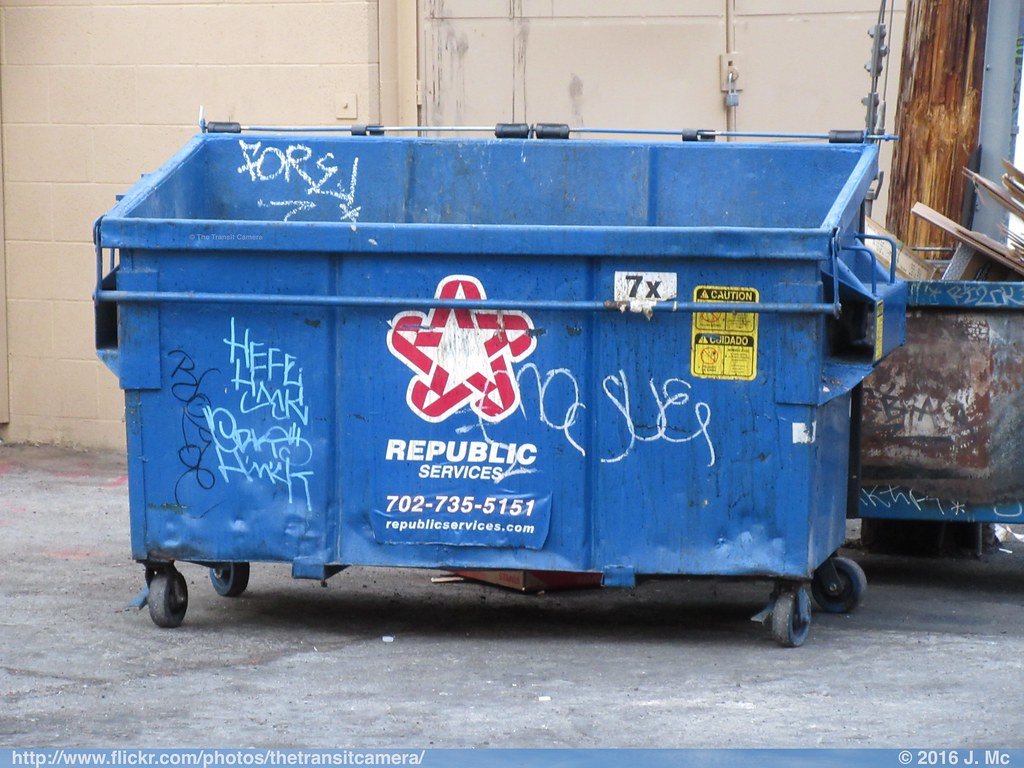
With your dumpster rental fully filled, attention transforms to scheduling pick-up and removal This important step assures a smooth experience and protects against any type of potential delays or fines.
To start the pickup process, contact your dumpster rental provider and supply them with your rental details, including the dumpster's place and the desired pickup date.
Be sure to schedule the pick-up at once that works best for you, considering any local policies or restrictions that may impact the elimination process.
It's vital to allow adequate time for the pick-up and removal procedure, as it might take a couple of days to complete.
Additionally, make sure that the dumpster is easily accessible and free from any blockages, making it easier for the elimination team to gather the dumpster efficiently.