Optimizing your dumpster rental experience requires cautious preparation and attention to detail to assure efficient waste removal, reduce prices, and reduce ecological impact. Comprehending the types of dumpsters available, choosing the best size, and preparing for waste removal are important steps. Furthermore, maximizing dumpster space, handling heavy or large items, and avoiding pricey errors can aid improve the procedure. By collaborating with dumpster providers, managing special waste materials, and assuring a smooth pickup process, you can secure a hassle-free rental experience By complying with these tips, you'll be well on your means to maximizing your dumpster rentals and accomplishing a successful project outcome with very little environmental footprint.
Understanding Dumpster Rental Options
When it pertains to handling waste throughout building and construction, restoration, or cleansing jobs, having the ideal dumpster rental options is vital for reliable and economical debris removal.
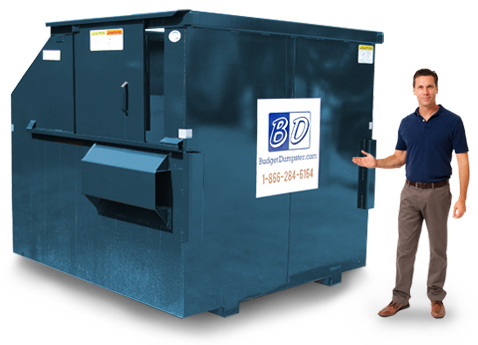
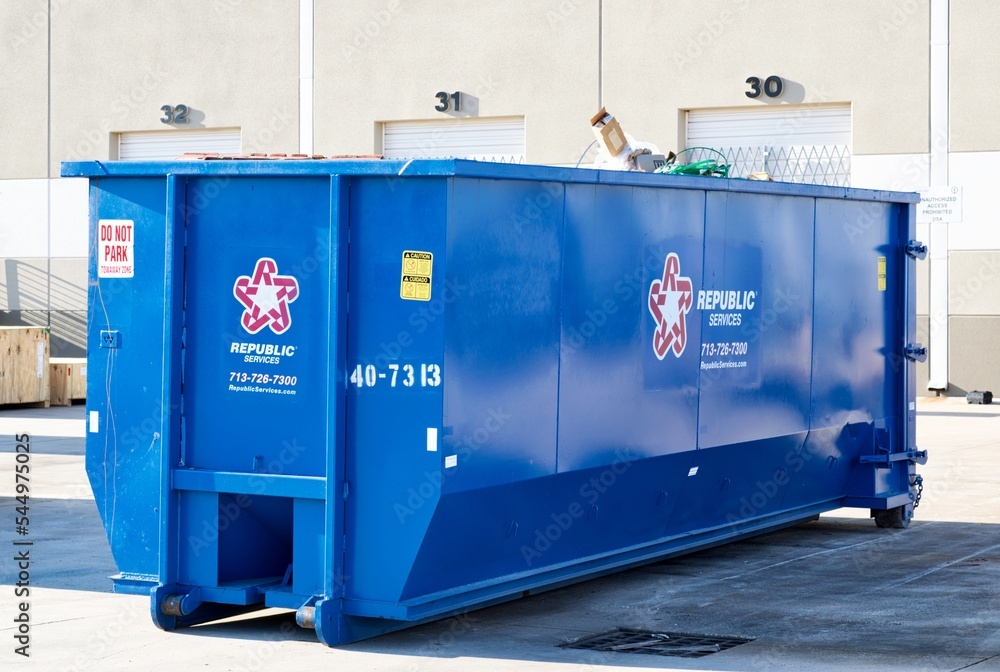
This entails understanding the numerous sorts of dumpsters available, including roll-off dumpsters, front-load dumpsters, and rear-load dumpsters Each type serves a certain purpose and is matched for particular projects.
For circumstances, roll-off dumpsters are optimal for large construction projects, while front-load dumpsters are better matched for smaller sized, ongoing waste management requirements. Rear-load dumpsters, on the other hand, are typically used for commercial waste disposal.
Additionally, dumpster rental choices can differ regarding period, with short-term rentals offered for smaller sized tasks and lasting leasings for continuous building or improvement projects.
Understanding these options enables task supervisors to make informed choices, making certain that waste is taken care of properly and successfully, while also staying within budget.
Choosing the Right Dumpster Size
Selecting the appropriate dumpster size is an essential component of efficient waste management, as it directly impacts the task's total cost and performance. A dumpster that is also tiny can bring about numerous trips to the landfill, resulting in boosted costs and project delays
On the other hand, a dumpster that is as well big can be a waste of resources and may even breach local regulations
To select the ideal dumpster size, take into consideration the scope of your project and the amount of waste you anticipate to generate. Residential jobs, such as home improvements or cleanouts, typically call for smaller dumpsters ranging from 10 to 20 yards.
Commercial tasks, like building or demolition, often call for bigger dumpsters, usually 30 to 40 yards. In addition, consider the weight and sort of products you'll be throwing away, as this can impact the dumpster dimension needed.
Planning for Effective Waste Removal
Efficient waste elimination planning begins with a detailed understanding of the project's waste generation patterns and the logistics of dumpster placement This includes recognizing the types and amounts of waste that will be produced, along with the frequency of waste disposal needed By doing so, you can figure out one of the most suitable dumpster size and placement locations to maximize waste elimination efficiency.
Additionally, it's essential to consider the accessibility of the dumpster site, assuring that it's easily accessible for both waste disposal and pickup. This will certainly help reduce disruptions to your task timeline and minimize the risk of mishaps or injuries.
Moreover, preparing for reliable waste elimination likewise entails coordinating with your waste management provider to arrange regular pick-ups and confirm that waste is taken care of in an environmentally responsible manner By taking these elements right into factor to consider, you can ensure a smooth and effective waste elimination process that satisfies your job's one-of-a-kind needs.
Maximizing Dumpster Space Usage
An efficient waste elimination plan counts greatly on maximizing dumpster area usage to minimize costs and decrease the ecological effect of waste disposal. By maximizing dumpster room, you can reduce the number of journeys needed to deliver waste, resulting in lower fuel intake, decreased https://pastelink.net/s91m20z8 traffic congestion, and a smaller carbon footprint.
To make best use of dumpster area, it's important to sort and classify waste prior to positioning it in the dumpster. This aids to guarantee that one of the most remarkable things are filled first, allowing for effective stacking and lessening empty space. In addition, take into consideration damaging down huge things, such as cardboard boxes, to create more area for other waste materials.
Furthermore, it's important to distribute the weight of the waste uniformly throughout the dumpster to prevent overloading and potential damages to the container.
Managing Hefty or Cumbersome Items
Heavy equipment, construction debris, and oversized appliances often posture substantial obstacles during waste removal operations These items can be hard to maneuver, and their weight can put a stress on dumpsters, making them a lot more vulnerable to damage or even collapse.
To stay clear of these problems, it's essential to handle hefty or cumbersome products effectively. One remedy is to lease a dumpster with a higher weight capacity This ensures that the dumpster can handle the weight of hefty things without jeopardizing its structural integrity.
Additionally, take into consideration renting out a dumpster with a walk-in door or a roll-off dumpster, which can assist in much easier loading and unloading of cumbersome things. It's likewise vital to distribute the weight of heavy products equally throughout the dumpster to stop damage.
Minimizing Ecological Impact
Landfills and waste administration facilities are notorious for their environmental impact, and it's necessary to mitigate this influence when taking part in waste removal operations.
As accountable citizens, we must take proactive steps to minimize the eco-friendly consequences of our activities. By bearing in mind our waste management practices, we can notably lessen the injury inflicted on the environment.
Here are three ways to lessen ecological effect when using dumpster leasings:
Segregate waste: Separate recyclable materials from non-recyclable waste to guarantee that multiple-use sources are appropriately transported. This simple act can notably decrease the quantity of waste sent out to landfills.
Opt for environment-friendly dumpsters: Pick dumpsters made from sustainable materials or those that are created with eco-friendly functions, such as solar-powered compactors.
Partner with eco-conscious providers: Select waste monitoring business that focus on environmental sustainability and follow liable waste disposal practices.
Avoiding Costly Rental Mistakes
Frequently, individuals and organizations alike run into unnecessary expenses when leasing dumpsters, which can promptly accumulate and blow their budgets.
These costly errors can be credited to an absence of understanding of the rental process, unclear interaction, or poor planning. To avoid these blunders, it is vital to carefully review the rental agreement, guaranteeing you comprehend the terms and conditions, including the duration, size, and sort of dumpster needed.
Additionally, accurately estimating the quantity of waste to be taken care of is vital, as undervaluing can result in extra charges for extra hauls or oversized loads. Furthermore, being aware of prohibited items and sticking to weight restrictions can protect against unnecessary charges.
Coordinating With Dumpster Providers
When safeguarding a dumpster rental, effective communication with the carrier is essential to ensuring a seamless experience.
Clear communication helps stop misconceptions, guarantees prompt distribution, and guarantees a convenient rental duration. To achieve this, it's vital to coordinate with your dumpster service provider in the following means:
Confirm Shipment Details: Verify the shipment day, time, and area to ensure the dumpster arrives when and where you require it.
Discuss Dumpster Dimension and Type: Guarantee you're leasing the right size and sort of dumpster for your project, and ask about any type of specific attributes or demands, such as securing systems or unique permits.
Establish Communication Channels: Mark a point of contact and establish a recommended technique of interaction, such as phone or email, to promptly address any type of concerns or issues that might arise throughout the rental period.
Dealing With Special Waste Materials
Not all waste materials can be thrown away in a standard dumpster rental. Certain products, such as hazardous waste, electronic devices, and building and construction materials, need special handling and disposal to abide by environmental regulations and protect against damage to the community.
It's vital to identify these unique waste materials and take the necessary steps to get rid of them effectively. When handling special waste materials, it is necessary to separate them from routine waste and call your dumpster rental company to ask about their dealing with procedures.
Some providers might supply specialized containers or solutions for contaminated materials, while others may have collaborations with centers that can handle these materials. Make sure to follow the supplier's guidelines and guidelines to ensure that these materials are gotten rid of in an ecologically responsible manner.
Proper disposal of unique waste products not just shields the atmosphere however also assists to avoid possible penalties and penalties related to improper disposal
Ensuring a Smooth Pick-up Process
Proper disposal of special waste materials establishes the phase for an effective dumpster rental experience, but it's equally crucial to protect a smooth pick-up process. A seamless pick-up makes certain that your project stays on track, and you can focus on even more pressing tasks.
To accomplish this, bear in mind the adhering to crucial factors to consider:
Clear Access: Secure the dumpster is quickly accessible for the pickup truck. Remove any kind of challenges, such as parked vehicles or building tools, from the bordering area.
Proper Loading: Lots the dumpster intelligently, keeping in mind the weight and dimension restrictions. Avoid overloading, as this can bring about delays or perhaps additional fees.
Scheduled Pickup: Validate the pickup schedule with your rental company to safeguard a prompt collection. Be prepared to supply any needed documentation or access to the dumpster.