Renting the appropriate dumpster for your project includes a cautious factor to consider of multiple aspects, consisting of waste volume, dumpster size, and type, in addition to local regulations and supplier choices, to ensure reliable garbage disposal, cost savings, and an effective task end result. By adhering to 7 essential steps, you can stay clear of usual mistakes and discover the ideal dumpster for your requirements. From estimating waste quantity to reviewing rental agreements, each step is fundamental in assuring a hassle-free experience. By taking the time to get it right, you'll have the ability to concentrate on what issues most - completing your job efficiently, and uncovering the nuances of each step can make all the difference.
Determine Job Waste Volume
Estimating the volume of waste your project will certainly create is a crucial step in establishing the size of the dumpster you'll require to lease. This ensures you have sufficient space to dispose of all the waste without overflowing the dumpster, which can cause additional prices and logistical issues.
To accurately estimate waste volume, think about the type and quantity of materials you'll be dealing with, as well as the scope of your project. For instance, a kitchen restoration will likely create even more waste than a basic landscaping job. You can also consult with your service provider or job supervisor to obtain a far better understanding of the waste output.
Additionally, take into account any kind of local laws or guidelines that might affect garbage disposal. By having a clear understanding of your task's waste volume, you can make a notified decision when selecting the right dumpster size for your needs.
Choose the Right Dumpster Size
With a clear understanding of your project's waste quantity, you can now concentrate on choosing the ideal dumpster dimension to accommodate your needs.
The right dimension dumpster guarantees efficient waste disposal, saves you money, and prevents unnecessary headaches.
When picking a dumpster dimension, take into consideration the following elements:
- Project scope: Larger tasks require larger dumpsters to deal with the increased waste volume. Debris type: Heavy or large products, like building and construction waste, require even more room than lighter products, like family trash. Space constraints: Consider the available room at your project site for dumpster positioning and accessibility. Local regulations: Contact regional authorities for any kind of size constraints or guidelines governing dumpster usage in your area.
Select the Correct Dumpster Type
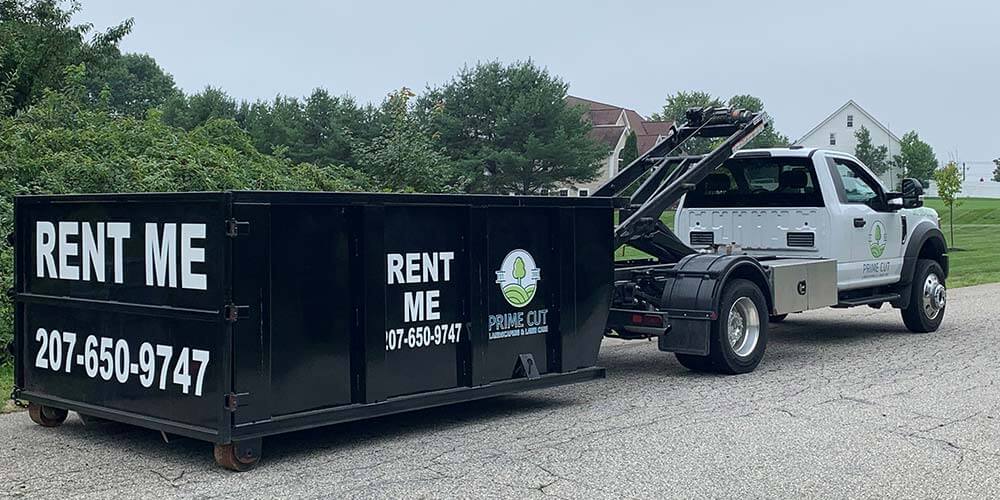
Several dumpster types are available to cater to varied project requirements, each made to handle specific waste disposal needs successfully. The most typical kinds consist of roll-off dumpsters, front-load dumpsters, and rear-load dumpsters
Roll-off dumpsters are perfect for massive jobs, such as construction or demolition, requiring a considerable quantity of garbage disposal. Front-load dumpsters appropriate for industrial or industrial use, offering a portable remedy for daily waste administration. Rear-load dumpsters, on the various other hand, are best for families or small businesses, using a convenient and space-saving option.
When picking a dumpster type, think about the job's scope, waste quantity, and spatial constraints. For example, a roll-off dumpster may not be possible for residential areas with restricted space, while a front-load dumpster might not appropriate for massive building projects.
Consider Added Functions Needed
Once the proper dumpster kind is picked, interest transforms to the added features that can further enhance waste disposal efficiency.
These functions can make a substantial difference in the convenience, safety, and cost-effectiveness of your project.
Some essential attributes to contemplate include:
- Gate-style doors: Permit simpler loading and discharging of hefty or cumbersome items Ramps: Make it possible for risk-free and reliable loading of heavy tools or materials Locks: Give added security and prevent unapproved accessibility to the dumpster Weight certificates: Guarantee accurate weight dimensions for billing functions, preventing prospective disputes
Check Local Laws and Rules
Compliance with regional guidelines and rules is an essential element of renting a dumpster, as it guarantees a smooth and convenient job implementation. Failing to conform can lead to fines, charges, and even job hold-ups. Subsequently, it is necessary to research and comprehend the local guidelines and regulations controling dumpster leasing in your area.
Check with your city government or public works division to determine if you need any type of permits or licenses to lease a dumpster. Some cities might call for a license to place a dumpster on the street or sidewalk, while others may have specific rules regarding the size or kind of dumpster used.
Additionally, some communities may have homeowners' organization rules that limit dumpster positioning or usage.
It is also vital to talk to your waste administration provider to see if they Helpful hints have any kind of certain needs or restrictions.
Get Quotes From Numerous Providers
Having ensured you're compliant with regional policies, you can now concentrate on discovering the appropriate dumpster rental provider for your project.
This action involves obtaining quotes from several providers to assure you're obtaining the most effective deal for your needs and budget.
Comparing quotes from various carriers enables you to evaluate their services, prices, and online reputation. When requesting quotes, make sure to give each supplier with the same project details to ensure accurate comparisons.
Here are vital aspects to consider when examining quotes: - The dimension and kind of dumpster used - The rental duration and versatility - The total cost, including any kind of extra charges - The carrier's reputation, customer service, and reviews
Review and Complete the Rental
Evaluating quotes from multiple carriers has armed you with a thorough understanding of the market, allowing you to make an educated decision about which rental supplier to companion with for your project.
Now, it's time to examine and finalize the rental agreement Meticulously examine the terms and conditions, confirming they straighten with your project's demands and budget.
Verify the dumpster size, rental duration, and rates to stay clear of any shocks. Inspect if the carrier offers additional services, such as shipment, pickup, and disposal fees.
Review the supplier's insurance and responsibility coverage to secure yourself and your property.
Finally, verify the company's track record and customer solution ratings to guarantee a smooth rental experience.